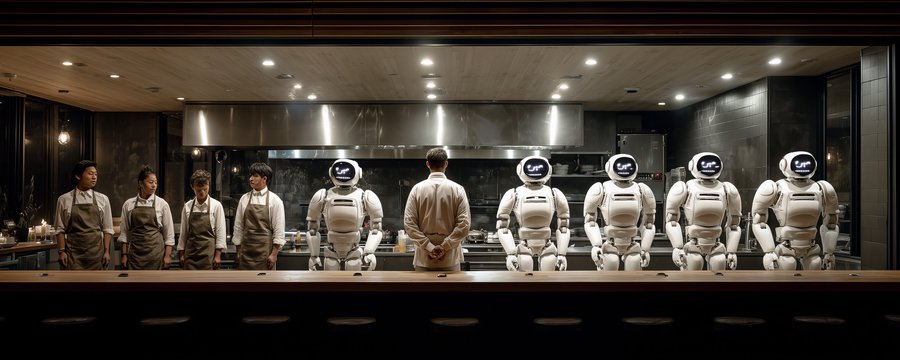
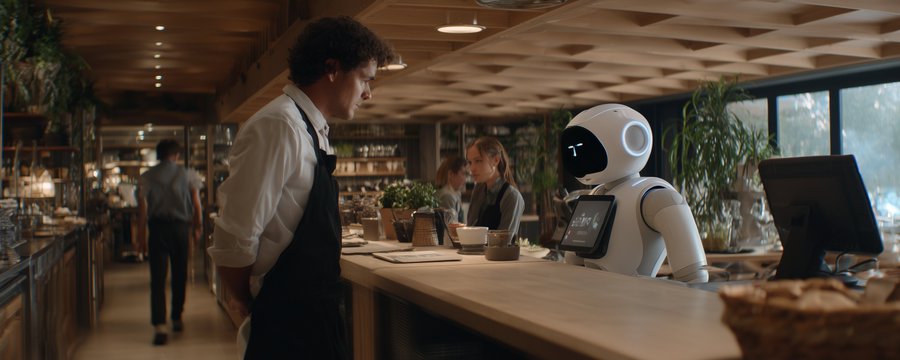
Generative AI is a powerful creative collaborator. It excels at rapid ideation, drafting, iteration, scaling production, and handling repetitive or tedious tasks like generating variations, marketing assets, or initial prototypes. It can produce derivative and competent work at incredible speed.
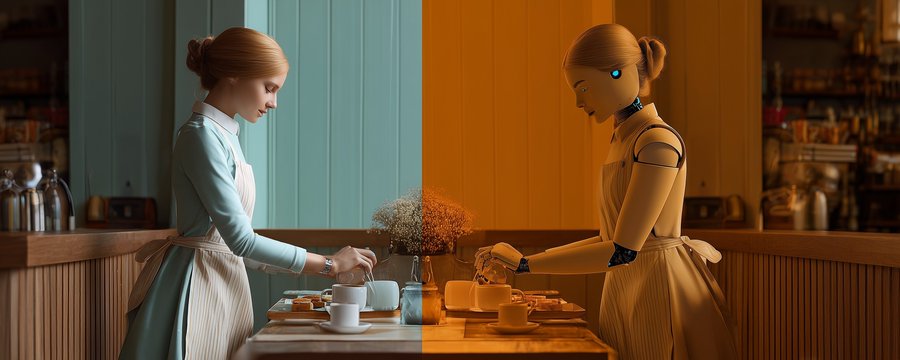
However, truly original, emotionally resonant, and culturally meaningful creativity still relies on deeply human elements: lived experience, personal intent, emotional depth, cultural context, moral judgment, and refined taste. AI lacks these. It remixes patterns from existing data rather than drawing from genuine insight or soul.
History supports this view. Cameras didn’t kill painting, they helped birth new movements like Impressionism and street photography. Synthesizers didn’t end music, they expanded what musicians could create. The same pattern is unfolding with AI. Many artists, writers, musicians, and designers are already using GenAI to move faster, explore more directions, eliminate busywork, and amplify their vision.
Audiences continue to crave human authorship, authenticity, trust, and unique perspective. The most successful creators will be those who master AI as a tool while doubling down on what machines can’t replicate: personal voice, emotional truth, and intentional storytelling.