
October 9, 2026
Overall Abundance Score: 78/100
Status: Up one point from the previous issue's 77. Issue 17 was published yesterday, so this is an issue-to-issue comparison, not seven days of additional progress; today's selection covers October 2–9 and avoids repeating its stories.
Executive Summary
Forty-two months versus twenty. That's the reported median time before disease progression or death in a new myeloma trial readout, comparing two treatment combinations. Bristol Myers Squibb's October 8 release puts a substantial result on the table. It also leaves important questions for the full data. Both deserve room in the same sentence.
The other stories have something concrete behind them too. Indian exchange filings report new solar capacity, alongside a commissioned transmission scheme. Google describes privacy protections already used for Gboard training and research improving some disease forecasts. Italy's last Eaglet II satellites reached orbit. Different fields, different kinds of evidence. No need to pretend they're equally mature.
Here's what we haven't established: longer overall survival from that cancer treatment, lower household power bills, privacy without hardware assumptions, or fewer illnesses because a forecast improved. Satellites also need commissioning before their promised services count. The launch is eight days old, a clearly marked exception to the weekly window.
The useful thread is the gap between having a capability and knowing what it actually does. A clinical endpoint. A dated commissioning notice. Code and policies outsiders can examine. A forecast tested against observations. Each gives us a more useful question than “did the announcement sound impressive?”
Keep asking what changed for the person using the result.
Breakthrough of the Week
A myeloma combination buys more time before progression in a Phase 3 readout
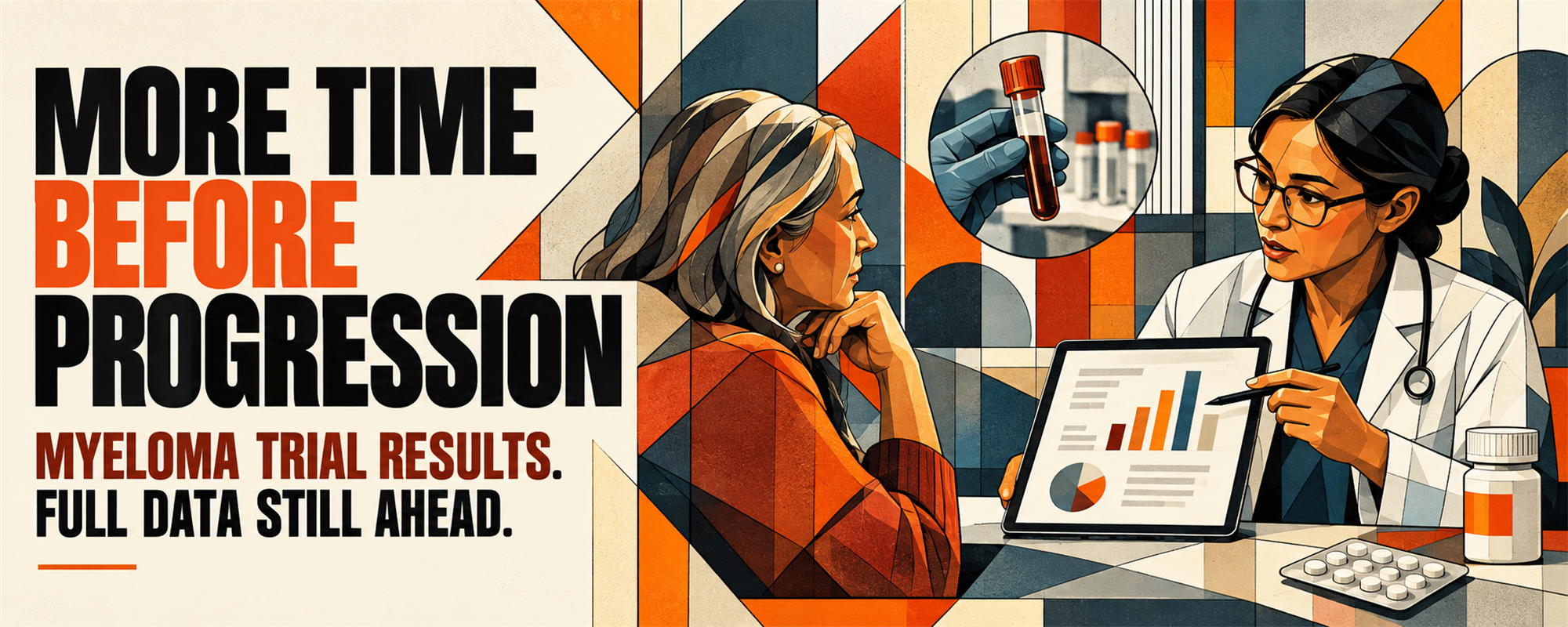
What happened: BMS reported results from an 800-patient randomized trial of iberdomide, daratumumab and dexamethasone versus daratumumab, bortezomib and dexamethasone. Median progression-free survival was 42 versus 20 months, with a hazard ratio of 0.49 and median follow-up of 23 months.
Why it matters: More time before a relapsing cancer worsens is a result worth paying attention to.
What friction it removes: This readout adds evidence on disease control beyond the earlier response measure supporting accelerated approval.
What to keep sober: These are sponsor topline results, with detailed presentation still ahead. Progression-free survival isn't overall survival, and an estimated median isn't a promise to each patient. Serious risks include blood clots, infections, low neutrophil counts and fetal harm. Access and cost still matter.
The abundance signal: Better treatment choices earn their place through patient outcomes. Keep the benefit and the burden in view.
Source: Bristol Myers Squibb, October 8, 2026
Major Developments
1. India adds solar generation and the wiring that makes it useful

What happened: ACME's October 5 filing reports another 66.68 MW commissioned in Rajasthan, bringing that project's solar total to 133.36 MW of 300 MW, with commercial operation dated October 7. Separately, POWERGRID's October 8 filing confirms commissioning effective October 5 of the transmission scheme for Karnataka's 2,500 MW Bidar solar zone.
Why it matters: Generation and the ability to move electricity both need to show up. Panels can't negotiate with a missing wire.
What friction it removes: The first adds generating equipment; the second clears a transmission construction milestone. These are separate projects in different states.
What to keep sober: The 2,500 MW figure describes the solar zone served, not new generation or measured power flowing this week. The filings don't establish utilization, reliability gains or cheaper bills.
The abundance signal: Commissioning is a firmer step than a proposed megawatt. Operating data is the next receipt.
Source: ACME Solar, October 5, 2026; POWERGRID, October 8, 2026
2. Gboard's privacy story includes a server. Read that part.

What happened: Google's October 2 report describes a training system already used for English and Japanese Gboard prediction models. Devices upload encrypted examples; protected server environments process them under policies published in a public log, releasing anonymized results. Supporting code can be reproducibly built.
Why it matters: “Trust us” is a rather crowded product category. Inspectable policies give outsiders something to check.
What friction it removes: Moving training computation to servers reduces dependence on phones being available and powerful enough to do the work.
What to keep sober: Data does leave the device. Protections depend on trusted execution hardware and correct implementation, with side-channel limitations acknowledged. Google gives no exact deployment day; the new event is its dated system report. The September paper is supporting context.
The abundance signal: Cloud capability can come with more accountability. Fully local processing remains worth choosing when it can do the job.
Source: Google Research, October 2, 2026
3. Better disease forecasts, with the small print still attached
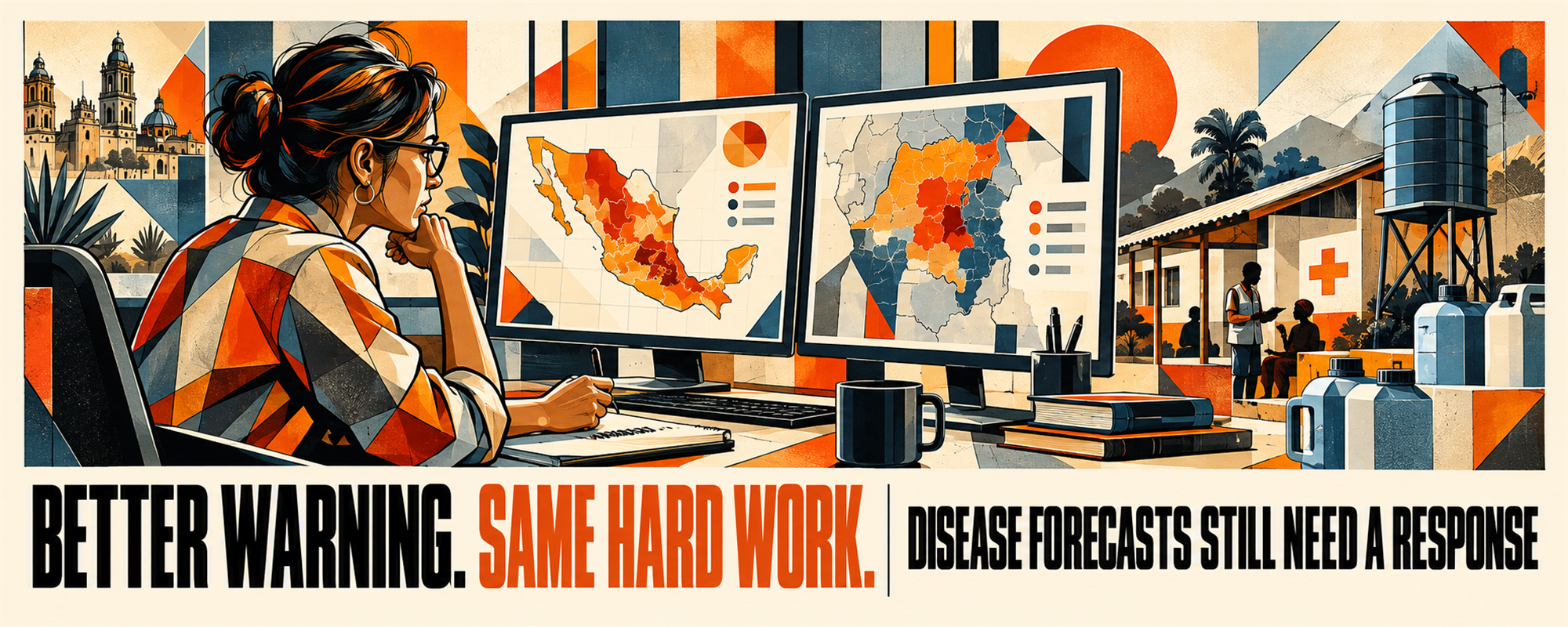
What happened: An October 5 preprint and October 6 Google report present five public-health case studies using geographic data representations. For Congo cholera forecasts eight weeks ahead, the average number of correct picks among five highest-risk zones rose from 1.78 to 2.10. Mexican dengue forecasts also improved in some settings.
Why it matters: Earlier warning could help teams decide where to put supplies and staff.
What friction it removes: Reusable geographic inputs reduce the need to rebuild every data pipeline for every disease.
What to keep sober: These are modeling evaluations, not demonstrated reductions in illness. Some tasks showed small gains or no statistically significant improvement. Research access is limited to select non-operational uses; operational access, cost and local validation remain questions.
The abundance signal: A modest forecasting gain can be useful if someone can act on it. No ambulance is dispatched by a better spreadsheet alone.
Source: Google Research, October 6, 2026; Muslim and colleagues, arXiv preprint, October 5, 2026
4. Italy finishes putting Eaglet II in orbit

What happened: ESA's October 2 report confirms eight Eaglet II satellites launched October 1, completing that 24-satellite constellation and bringing the broader IRIDE programme to 39 satellites in orbit. Initial signals were received; operational handover follows full commissioning.
Why it matters: Earth observation can support fire, coastal and infrastructure monitoring. Getting the hardware upstairs is a necessary step.
What friction it removes: The last deployment closes a specific hardware gap in the programme.
What to keep sober: Eaglet II deployment isn't completion of all IRIDE services. Useful data, ground systems and commissioning still have to work together. The launch was eight days ago; included just outside the seven-day window as a verified physical deployment within 30 days.
The abundance signal: More observing capacity can make public decisions better informed. Data access and accountable use will decide who benefits.
Source: European Space Agency, October 2, 2026
Why This Matters
These stories give us different ways to check progress: compare treatments, commission equipment, inspect privacy policies, test forecasts, confirm a satellite's signal. That's a useful habit. What changed, how do we know, and who can use it?
The remaining work belongs to real people and institutions. Clinicians need full trial results and patients need access. Utilities need reliable operation. Privacy auditors need code and credible hardware protections. Health teams need supplies and authority to respond. Satellite operators need commissioning and usable ground services. Capability expands choices only when those handoffs work.
Abundance Index Score
This week's score: 78/100
Last week: 77/100
Change: +1
Why the score rose: The previous issue leaned heavily on future delivery. This selection adds a substantial clinical readout, commissioned electricity infrastructure and a deployed training system with inspectable protections. The “Last week” label refers to Issue 17, published October 8; it isn't a seven-day elapsed comparison.
Why the score is not higher: Topline medical data needs scrutiny. Commissioning doesn't measure everyday service. Privacy still has assumptions. Forecasting hasn't established better health outcomes, and the satellite event sits just outside the weekly window. Two stories also come from the same company's research programme, limiting source diversity.
Score interpretation: An editorial judgment, not a scientific metric: meaningful evidence of capability, with access and practical outcomes still uneven.
Looking Ahead
What will the full myeloma results show about benefit, toxicity and overall survival?
Will the Indian projects report useful output and transmission performance?
What will independent reviewers find in the privacy system's code and policies?
Can local health teams turn better forecasts into timely, measured responses?
When do the newly deployed Eaglet II satellites complete commissioning and deliver usable services?
Closing Reflection
More time before a disease worsens.
Panels commissioned. A transmission route completed.
Privacy with something outsiders can inspect.
Earlier warning that still needs someone to act.
Satellites in orbit, with their useful work ahead.
Give progress credit for what the evidence actually supports. Then build on it.
Source Notes and Fact-Check
Myeloma: October 8 topline announcement within the window; progression-free survival distinguished from overall survival, combination treatment and serious risks checked. Full results pending. Bristol Myers Squibb, October 8, 2026; verified October 9, 2026
Indian electricity projects: dated filings downloaded and read; October 5 commissioning and October 7 commercial-operation date for solar, October 5 transmission commissioning notified October 8. Separate states/projects; transmission-zone rating isn't generation. ACME Solar, October 5, 2026; verified October 9, 2026; POWERGRID, October 8, 2026; verified October 9, 2026
Privacy: October 2 system report within the window; exact deployment day undisclosed. Encrypted upload and server processing explicitly retained. September 25 preprint, revised September 30 is older supporting context, not a fresh discovery claim. Google Research, October 2, 2026; verified October 9, 2026
Public-health forecasts: October 6 report and October 5 preprint within the window; retrospective/modeling evidence distinguished from operational outcomes, mixed task results and access limits retained. Google Research, October 6, 2026; verified October 9, 2026; Muslim and colleagues, arXiv, October 5, 2026; verified October 9, 2026
Eaglet II: October 2 publication at the weekly boundary; October 1 launch eight days ago, explicitly included as a documented deployment within 30 days. Constellation completion kept separate from commissioning and full IRIDE services. European Space Agency, October 2, 2026; verified October 9, 2026