
October 8, 2026
Overall Abundance Score: 77/100
Status: Down two points from last week's 79. There's a serious nuclear investment agreement, a new treatment option, and some useful work on water and fusion hardware. Plenty to like. Plenty still to deliver.
Executive Summary
Google and Constellation have a power deal with two very different numbers in it. Their October 6 announcement backs 890 megawatts of additional nuclear capacity from existing reactors, alongside a separate agreement for 2,700 megawatts of existing supply. Add them together and you get an impressive headline. Keep them separate and you get a useful story: a big electricity buyer helping finance more output from plants already standing.
The supporting stories are wonderfully unglamorous. A German paper mill is expanding a water-saving pump retrofit. Honduras has an approved loan for better water service. A medicine got its first approval for a particular kind of chronic hives. And ITER received its final vacuum-vessel sector. Pumps, pipes, tablets, very large pieces of steel. Civilization's less photogenic department.
Here's what isn't settled. None of those planned nuclear megawatts is delivery this week. A drug approval doesn't tell us whether someone can afford the prescription. Water financing needs to turn into reliable service. Fusion components arriving doesn't establish that the machine works. The pump result is supplier-reported, and the Honduras approval is eight days old; I'll flag that exception below.
The connecting thread is practical follow-through. Existing equipment gets a better job, an existing medicine gets another use, and difficult infrastructure gets one step closer to doing something useful. No grand theory required.
Watch the handoff from the announcement to the operating log. That's where this gets interesting.
Breakthrough of the Week
890 More Nuclear Megawatts, From Reactors Already Standing
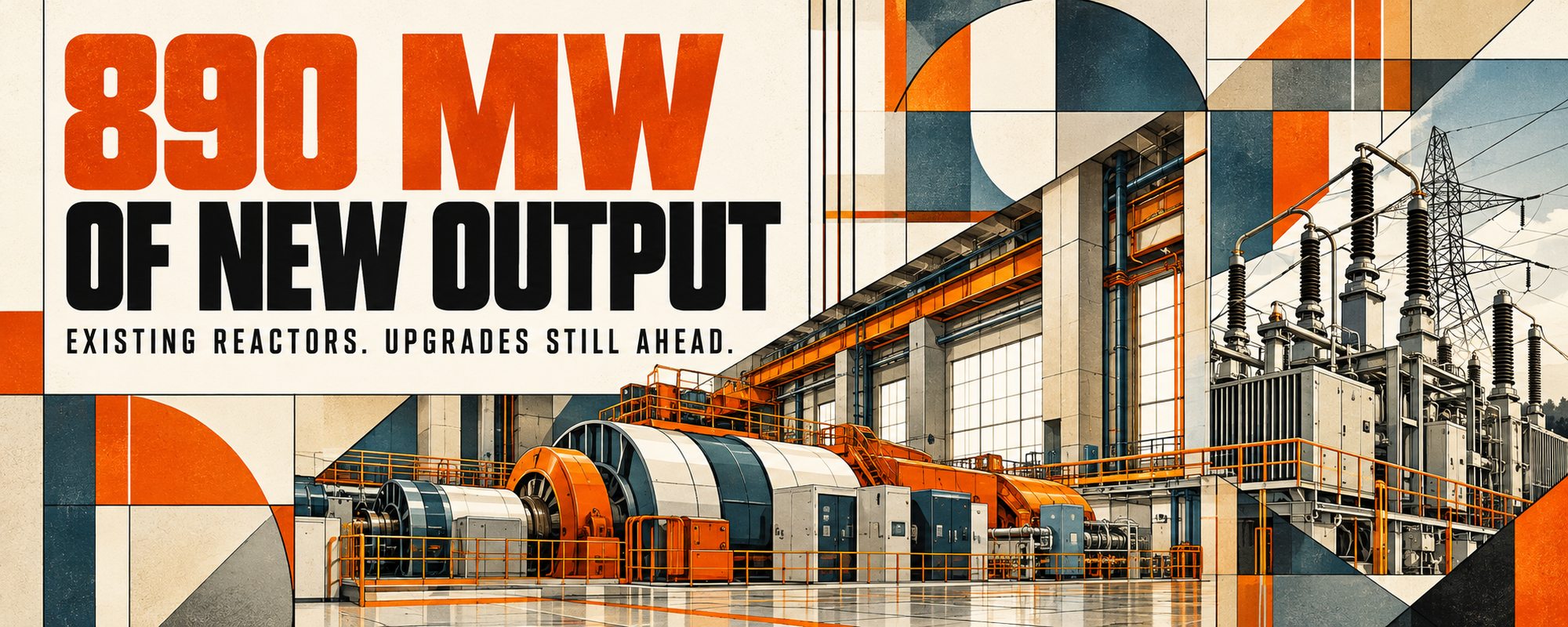
What happened: Google and Constellation announced a 20-year agreement supporting 890 MW of added nuclear capacity through upgrades at 11 operating units. A separate 15-year deal covers 2,700 MW of existing supply. The first uprate is expected by 2028.
Why it matters: New demand is easier to accommodate when the buyer also helps expand supply. That's the useful direction for the AI power story.
What friction it removes: A long-term buyer gives equipment investment a financial basis. Using existing sites also avoids starting every project from an empty field.
What to keep sober: These are announced agreements, not delivered electricity. Only 890 MW is additional capacity. The release doesn't establish cheaper household bills or a completion date for every upgrade. Engineering, approvals, and execution still matter.
The abundance signal: More output from infrastructure we already have is a sensible place to start. Now show us the operating results.
Source: Constellation Energy, October 6, 2026
Major Developments
1. A new option when ordinary skin friction causes hives

What happened: On October 7, Novartis announced FDA approval of Rhapsido for adults with symptomatic dermographism inadequately controlled by H1 antihistamines. That's chronic hives triggered by scratching or rubbing. In the RemIND trial's relevant cohort, complete hive response at week 12 was 29.3% with treatment versus 14.0% with placebo.
Why it matters: A condition interfering with everyday life now has a specifically approved option.
What friction it removes: It gives clinicians another route when antihistamines aren't enough.
What to keep sober: Those are the manufacturer's figures. Most treated patients didn't achieve complete response at that endpoint. Bleeding is a listed serious risk; price, coverage, and longer follow-up matter too.
The abundance signal: Better days count, even when the improvement won't fit a miracle headline.
Source: Novartis, October 7, 2026
2. A paper mill asks why its pumps keep drinking water
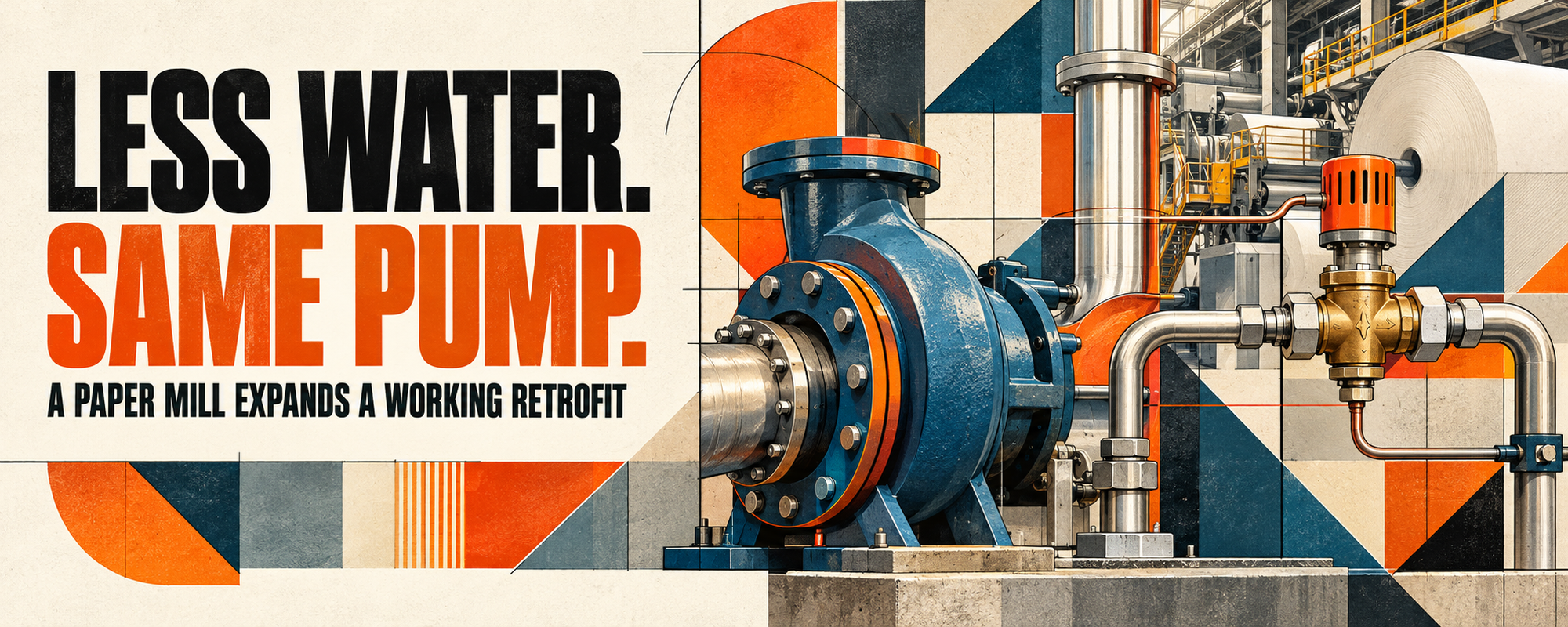
What happened: On October 5, John Crane reported that UPM Nordland Papier in Germany is expanding Smartflow IG installations after fitted pumps used almost no seal water while operating reliably. The system supplies fresh cooling water when the seal needs it. The supplier says savings can reach 180 litres per hour per pump, depending on the application.
Why it matters: Useful efficiency can hide in supporting equipment, far from the main production line.
What friction it removes: A retrofit lets a working plant improve in increments. Nobody needs to replace the whole factory first.
What to keep sober: Almost zero refers to seal water on fitted pumps, not the mill's total consumption. This is supplier reporting without a published plant-wide savings audit. The earlier installations aren't dated; the current event is the expansion announced this week.
The abundance signal: Sometimes progress is a valve doing its job. Refreshingly little drama.
Source: John Crane, October 5, 2026
3. Honduras gets financing for the pipes, not just another water plan

What happened: The IDB's October 1 release describes a $70 million water-service loan for Tegucigalpa and Comayagüela. Planned work includes pipes, pumping facilities, pressure management, and measurement equipment. It projects 110,000 direct and 235,000 indirect beneficiaries. The project register dates approval to September 30.
Why it matters: Reliable water service is a foundation for health and for getting on with the rest of your day.
What friction it removes: Approved financing gives a maintenance and service program something concrete to work with.
What to keep sober: A loan is debt, and projected beneficiaries aren't measured outcomes. Procurement, construction, and utility performance still decide whether service improves. Approval was eight days ago, just outside the seven-day window; it's included as a documented financing decision within 30 days.
The abundance signal: The test is simple: does the tap become more dependable?
Source: IDB, October 1, 2026
4. ITER's last vacuum-vessel sector actually arrived
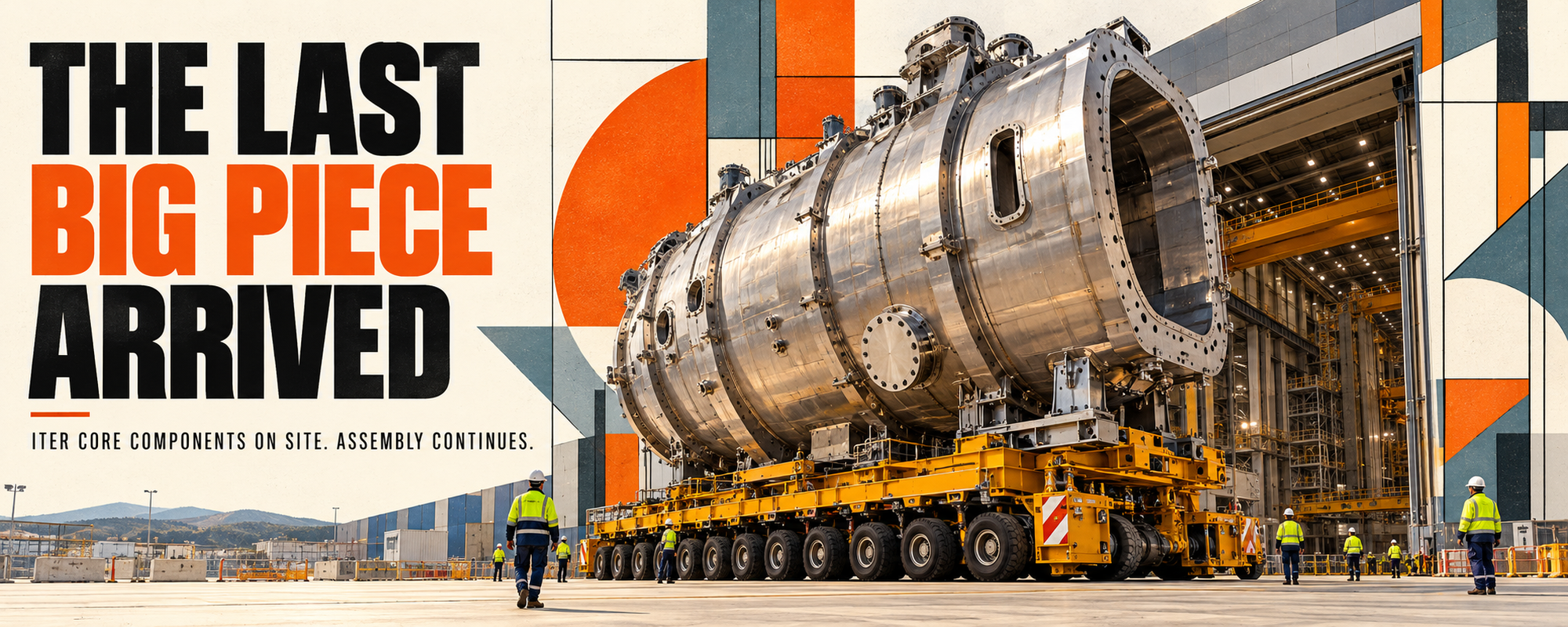
What happened: ITER reported on October 5 that its ninth and final vacuum-vessel sector arrived in France on October 2. The major core components are now on site. The organization explicitly excludes in-vessel equipment such as the divertor and blanket from that description.
Why it matters: Complex manufacturing and delivery are real capabilities. A component arriving is a modest claim with a physical object behind it.
What friction it removes: The remaining core assembly can proceed without waiting for that last sector's delivery.
What to keep sober: On site doesn't mean installed. ITER says substantial assembly and other equipment remain. This milestone establishes neither net energy gain nor electricity supplied to a grid. Fusion still owes us the difficult part.
The abundance signal: Give engineering progress credit at its actual size. We don't need to inflate it to find it worth watching.
Source: ITER, October 5, 2026
Why This Matters
There's a lot of useful room between inventing something and getting all the value out of it. Upgrade the equipment. Extend a treatment option. Repair the distribution system. Finish delivering the machine. These stories sit at different stages, but each addresses a specific obstacle to useful work.
The dependencies are real. Nuclear upgrades need engineering and regulatory follow-through. Medicine needs appropriate prescribing and affordable access. The mill needs durable savings across more pumps. Honduras needs procurement and a utility that can maintain the improvements. ITER needs assembly, testing, and a successful experiment. Which institution holds the next step, and what would count as evidence it happened? That's a better question than whether the press release sounded confident.
Abundance Index Score
This week's score: 77/100
Last week: 79/100
Change: -2
Why the score fell: Last week's published issue scored 79. This week's lead is a credible investment agreement with its payoff still ahead. The supporting stories mix an approval, a reported retrofit result, financing, and a delivered component. Useful progress, but too much unfinished work to push the score higher.
Why the score is not higher: Evidence of access and operating performance is thinner than evidence of intent. Company releases aren't independent audits. The Honduras approval is slightly outside the weekly window. And there isn't a verified local-AI deployment in this selection; forcing one in would weaken the issue.
Score interpretation: This is an editorial judgment, not a scientific measurement: a good week of concrete steps with several important results still pending.
Looking Ahead
Which nuclear upgrades get firm approval and delivery dates next?
Will the new hives indication translate into affordable prescriptions?
Does the paper mill publish measured savings across the expanded rollout?
When will Honduras report better service continuity rather than projected beneficiaries?
Does ITER turn the delivered components into completed assembly and successful tests?
Closing Reflection
More output from reactors already standing.
Another treatment option for an ordinary day that isn't ordinary for everyone.
A pump that wastes less water.
A water loan that still has to become dependable service.
A very large piece of steel, finally where it belongs.
Progress earns its keep when people can use the result.
Source Notes and Fact-Check
Nuclear agreements: publication and announcement October 6, within the seven-day window; additional versus existing capacity kept separate, future delivery identified. Constellation Energy, October 6, 2026; verified October 8, 2026.
Rhapsido indication: October 7 approval announcement, within the window; manufacturer-reported trial endpoint and bleeding risk checked, no claim of cure. Novartis, October 7, 2026; verified October 8, 2026.
Paper-mill retrofit: expansion announced October 5, within the window; prior trial installation dates unspecified and used only as supporting context. Savings apply to seal water on fitted pumps, with no independent audit supplied. John Crane, October 5, 2026; verified October 8, 2026.
Honduras water financing: publication October 1, at the seven-day boundary; the project register confirms approval September 30, eight days ago. Included slightly outside the event window because it is a dated financing approval within 30 days; beneficiaries remain projections. IDB, October 1, 2026; verified October 8, 2026.
ITER delivery: publication October 5 and arrival October 2, both within the window; core components distinguished from a completed machine or electricity production. ITER, October 5, 2026; verified October 8, 2026.